$500/Month Cities With Mountains, History & Spring Weather
Cities With Mountains, History & Spring Weather. Imagine paying five hundred dollars a month to live in a mountain city with thousand-year-old streets, perfect spring weather nearly all year round, and a cost of living so low that your current monthly coffee budget might actually cover your groceries. Not a fantasy. Not some obscure travel blogger’s exaggeration. Real cities. Real numbers. Real people doing this right now in 2026. And by the end of this video, you are going to know exactly which cities these are, why they work financially, and the concrete steps you need to take to get there. So stay with me, because city number three on this list genuinely stopped me in my tracks when I ran the numbers.
Welcome to Hiring Haven, the global job opportunities research channel where we break down real opportunities you can actually take advantage of. I am talking data, visa options, job markets, cost breakdowns, the works. Let’s get straight into it.
Here is what nobody is talking about honestly enough. The financial pressure most people are living under right now is not normal. It is not a temporary inconvenience. It is a structural problem that is getting worse in most high-cost countries. Rent in major western cities has exploded. Inflation crushed purchasing power. Remote work opened a door that millions of people still have not walked through yet. And on the other side of that door are mountain cities, historically rich, geographically stunning, climatically comfortable places where five hundred dollars does not just survive, it actually thrives. We are not talking about sacrificing your lifestyle. We are talking about upgrading it while spending a fraction of what you spend right now.
So who is this video for? If you are between twenty-eight and fifty-five, if you are burned out, if your paycheck disappears before the month ends, if you have been quietly wondering whether you could actually pull off a move abroad, whether you work remotely or are exploring visa-sponsored job options, this video was built for you. Keep watching.
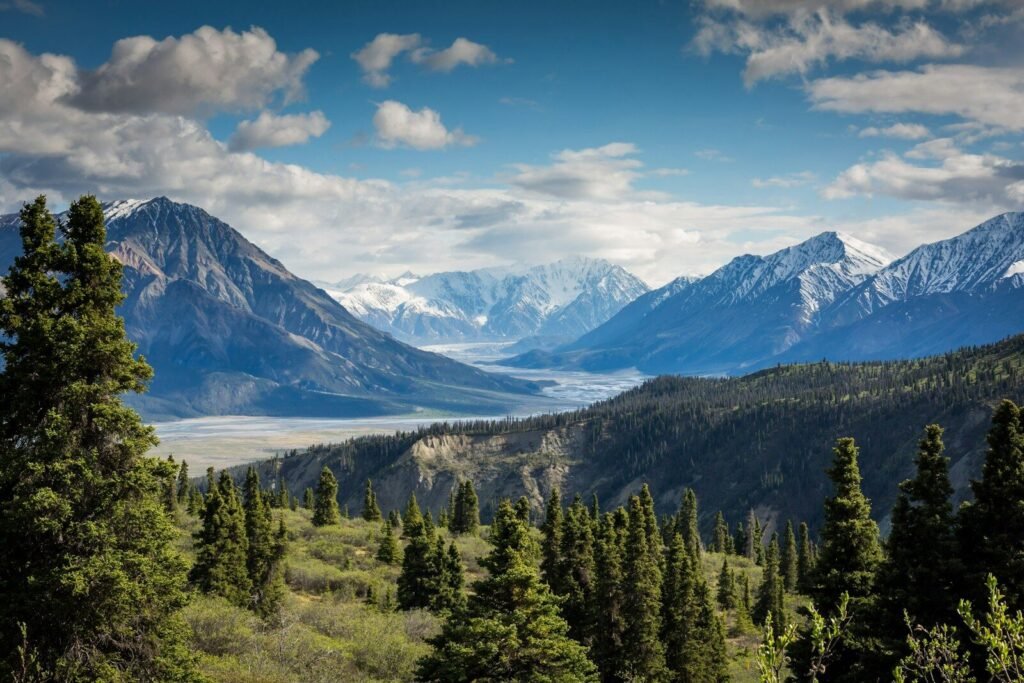
Let us start with the foundation. Why mountains? Why history? Why spring weather? Because these three factors together create a very specific kind of affordable city that most budget travel content completely overlooks. Mountain cities tend to be inland, which means they are not tourist-inflated coastal destinations. Their economies are often driven by local commerce, universities, agriculture, and regional trade rather than international tourism prices. That keeps costs low. Historical cities in developing regions have preserved infrastructure without the renovation premium you see in gentrified urban cores. And cities with spring-like climates, meaning mild temperatures, low humidity, moderate rainfall, reduce your living costs dramatically because you spend almost nothing on heating or heavy air conditioning for most of the year. When you combine all three, you get hidden gems that deliver an extraordinary quality of life at a price point that sounds almost fictional to someone paying two thousand dollars a month for a one-bedroom apartment in a major western city.
Now let us talk numbers before we get into specific cities, because I want you to understand what five hundred dollars actually covers in these places. We are talking rent for a furnished one or two-bedroom apartment, local groceries for the month, transportation within the city, utilities, internet, and even occasional restaurant meals. Some of these cities push that number closer to six or seven hundred once you include entertainment and a modest social life, but the baseline of five hundred is genuinely achievable in every city I am about to show you. And if you have remote income in dollars or euros, you are not just surviving on five hundred. You are living on it with cash left over.
Alright, city number one. Tbilisi, Georgia. And yes, I mean the country Georgia, not the American state. Tbilisi sits in the southern Caucasus region, nestled between mountains that form a dramatic backdrop to one of the most fascinating old cities in the world. The historic Old Town has buildings dating back over fifteen centuries, cobblestone streets, carved wooden balconies, sulfur bath houses that have been running for hundreds of years, and a food and wine culture that would genuinely surprise you. Georgia is considered the birthplace of wine. They have been fermenting grapes in clay vessels underground for eight thousand years. That is not marketing. That is archaeology.
Now the cost breakdown. A furnished one-bedroom apartment in a good central neighborhood in Tbilisi runs between one hundred eighty and two hundred eighty dollars per month in 2026. Groceries for one person typically land between eighty and one hundred twenty dollars monthly if you shop at local markets, which are everywhere and genuinely excellent. A meal at a local restaurant averages under four dollars. Public transport is nearly free, about twenty-five cents per ride. Internet is fast and reliable, usually fifteen to twenty dollars per month. Your total monthly spend, including rent, food, transport, utilities, and some leisure, falls comfortably between four hundred fifty and six hundred dollars. That is it.
Tbilisi also has an incredibly welcoming visa policy. Georgia offers one of the most open long-stay options in the world. Most nationalities can stay for up to three hundred sixty-five days without a visa. Remote workers have been flooding into Tbilisi for the past several years because of this exact combination of low cost, visa simplicity, and surprisingly fast internet infrastructure. The job market for locals is modest, but for remote workers and entrepreneurs, the environment is increasingly structured to support you. There is a growing coworking scene, English is widely spoken among younger residents, and the expat community is active.
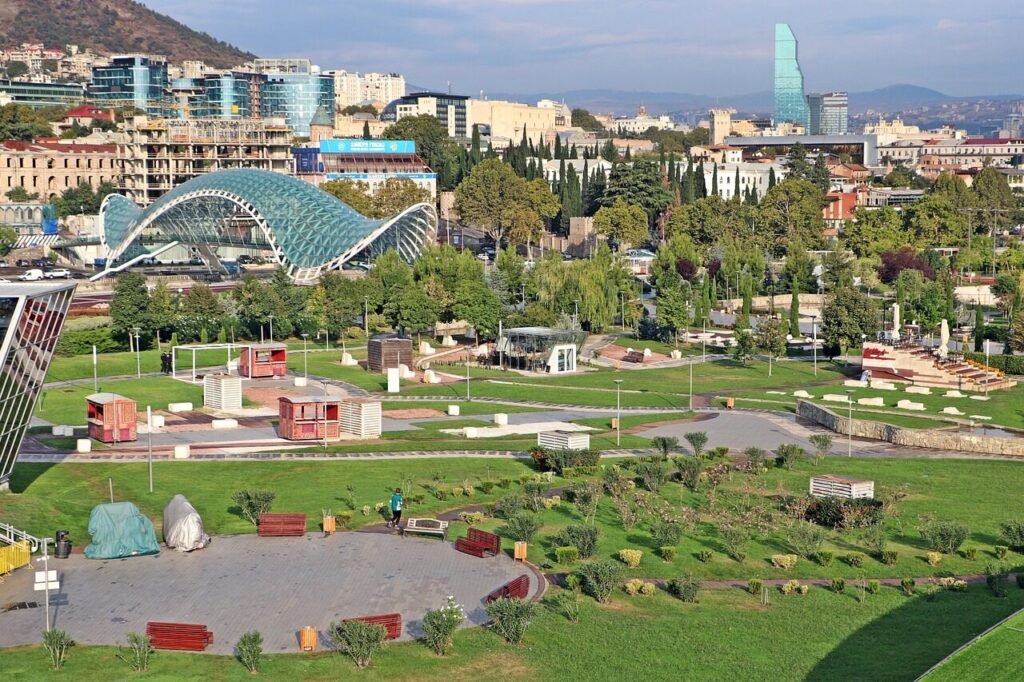
The climate in Tbilisi gives you genuinely mild springs and autumns with cold but manageable winters and warm summers. Not tropical heat. Not freezing tundra. A very livable European-style climate with mountain scenery visible on clear days from anywhere in the city.
But wait until you hear about city number three. I am going to build to it because the numbers there are the ones that made me double-check my research twice.
City number two. Medellín, Colombia. Now I know what some of you might be thinking. You have heard about Medellín before. Maybe you have seen the travel content. But I want to give you the analytical breakdown that most content skips. Medellín sits at an elevation of about fifteen hundred meters in the Andes mountains, and that elevation is the reason for something locals call eternal spring. The average daily temperature in Medellín sits between eighteen and twenty-eight degrees Celsius almost every single day of the year. It does not really have seasons in the traditional sense. It just has comfortable and slightly more comfortable. This is not marketing language. This is meteorology. The city earned its eternal spring nickname because the temperature genuinely barely shifts across twelve months.
Cost of living breakdown for Medellín in 2026. A furnished one-bedroom in the popular El Poblado or Laureles neighborhoods runs between two hundred fifty and four hundred dollars per month. If you go slightly further from the tourist zones, you can get that number down further. Groceries at local markets run about one hundred to one hundred fifty dollars monthly. A sit-down local meal averages between three and six dollars. Monthly transport using the metro and cable cars, yes there are cable cars, runs about fifteen dollars. Internet is solid, fast, and affordable. Your total monthly spend lands somewhere between four hundred eighty and six hundred fifty dollars depending on your lifestyle choices.
Medellín also has a substantial expat infrastructure. There are thousands of remote workers, digital nomads, and long-stay visitors living there. English is more widely spoken in expat-heavy areas than you might expect, though learning even basic Spanish will dramatically improve your experience. Colombia has several visa options worth exploring including a digital nomad visa introduced in recent years, investor visas, and work visas for those with employer sponsorship. For visa applications specifically, services like iVisa can save you significant time and reduce costly application mistakes, especially when navigating documents for South American countries where requirements shift frequently.
The transformation of Medellín is also worth acknowledging analytically. The city went from being ranked among the most dangerous in the world in the early nineties to winning the most innovative city award in 2013, competing against New York and Tel Aviv. The urban infrastructure investment that happened over the subsequent decade is extraordinary. Cable cars connecting hillside communities to the metro system, escalators built into steep urban hillsides, public libraries in neighborhoods that were once completely neglected. This is a city with visible investment momentum, which matters when you are thinking about quality of life and safety trajectory.
Now, before city number three, let me say this. If you want the full list of countries hiring right now, especially for remote and visa-sponsored positions, I have put together a free step-by-step guide. The link is in the description. It breaks down specific job categories, which countries have active hiring right now, and what documents you need to apply. Grab that while you are watching.
City number three. Sarajevo, Bosnia and Herzegovina. And this is the one that genuinely floored me when I ran a complete cost analysis. Sarajevo is a city of roughly three hundred thousand people sitting in a valley completely surrounded by mountains. The Dinaric Alps wrap around it on every side. It has been continuously inhabited since at least the Neolithic period, and its modern history as the first truly multicultural Ottoman European city gives it an architectural and cultural character unlike anything else in Europe. You can stand in the old Baščaršija district, which is an Ottoman bazaar built in the fifteen hundreds, look one direction, and see Austro-Hungarian architecture. Look the other direction, and see minarets. Look up, and see mountains. This is not a generic European city. It is genuinely one of the most layered and interesting urban environments on the continent.
Now the numbers. And these are the ones that made me double-check everything. A furnished one-bedroom apartment in a good central area of Sarajevo runs between one hundred fifty and two hundred thirty dollars per month. Monthly groceries for one person at local shops and markets average between seventy and one hundred dollars. A full meal at a local restaurant costs between three and six dollars. Monthly transport is minimal, under twenty dollars. Utilities and internet combined run about fifty to seventy dollars. Your total monthly spend in Sarajevo, living comfortably, lands between four hundred and five hundred fifty dollars. That is the lowest complete monthly budget of any city on this list while still being in Europe.
Bosnia and Herzegovina is currently in an EU accession process, which means it is actively working to align its standards and infrastructure with European Union requirements. For people thinking long-term, this matters enormously. Property values in Sarajevo are still at pre-accession prices. If EU membership progresses as expected over the coming years, the economic trajectory of the entire country changes. People who got into Tbilisi three years ago saw similar dynamics play out. Getting in early matters.
Visa access for Sarajevo is generous. Most western passport holders can stay up to ninety days visa-free. For longer stays, Bosnia has a temporary residency permit process that, while requiring some documentation, is accessible for people with remote income or employment. The country also has a growing interest in attracting foreign investment and remote workers, and the administrative process for residency has been streamlining. Again, for navigating this kind of application accurately, using a service like iVisa is worth the modest cost because errors in documentation waste months.
The climate in Sarajevo gives you four proper seasons, but the springs and autumns are genuinely spectacular with the mountains framing every view from inside the city. Winters are cold and snowy, which actually adds to the atmosphere of the old city, but you need to factor heating costs in for those months. Even so, the annual average puts you well within the five hundred dollar monthly benchmark.
City number four. Chiang Mai, Thailand. I know this one comes up in digital nomad conversations frequently, but I want to give you the 2026 picture because the specifics matter. Chiang Mai is in northern Thailand, surrounded by jungle-covered mountains with ancient temples spread across the city and immediate outskirts. The historic walled city in the center dates back to the thirteenth century. The surrounding region has over three hundred Buddhist temples. The moat around the old city is still intact. This is genuine historical depth, not a reconstructed tourist facsimile.
Cost breakdown for Chiang Mai in 2026. A furnished studio or one-bedroom in a good area runs between one hundred eighty and two hundred eighty dollars monthly. Groceries, a mix of local markets and international options, land around eighty to one hundred thirty dollars per month. Street food meals cost between one and three dollars. Sit-down restaurant meals at local spots average three to five dollars. Monthly transport using a combination of songthaews, which are shared pickup truck taxis, and occasional ride apps, runs about thirty to fifty dollars. Your total monthly spend in Chiang Mai lands between four hundred and five hundred fifty dollars at a comfortable level.
Thailand launched a Long-Term Resident visa program specifically targeting remote workers and highly skilled professionals with income thresholds and clear pathways. The LTR visa gives qualified applicants a ten-year stay with tax benefits and streamlined bureaucracy. For people with remote income above a certain monthly threshold, this visa is one of the most substantial long-term options available in Southeast Asia. The job market in Chiang Mai also has genuine opportunities in international education, digital marketing, hospitality management at international level, and regional business development. The coworking infrastructure in Chiang Mai is among the best-developed in Southeast Asia, with dozens of established spaces and a mature community of long-stay remote workers.
Now let us talk practical steps because information without action is just entertainment, and I want this to be more than entertainment for you.
Step one is run your own numbers honestly. Take your current monthly expenses and identify exactly what percentage goes to rent and transport. In most high-cost western cities, those two categories alone eat fifty to sixty percent of income. Now compare that to these cities. The math will motivate you.
Step two is research your specific visa pathway based on your passport and income type. Not all visas work the same for all nationalities. The free guide linked below breaks this down by country and income type in a way that makes this step genuinely manageable.
Step three is test before committing. Every city I mentioned today has a thirty to sixty day test-stay option where you can experience the real day-to-day cost of living before making any permanent decisions. Book a month. Track your actual spending. Compare it to what you spend now. Most people who do this exercise never come back questioning the math again.
Step four is sort your income portability. If you are already working remotely, this may be simple. If you are not, the hiring guide linked below covers which industries are currently hiring remote-eligible positions internationally and which countries are actively sponsoring foreign workers right now in 2026.
Step five is handle your documents correctly. Passport validity, bank statements, proof of income, health insurance documentation, criminal background checks. These vary by country but follow predictable patterns. Services like iVisa exist specifically to make this step faster and error-free. When you are applying for residency or long-stay visas, one documentation error can mean restarting a months-long process. The cost of a quality visa service is nothing compared to the cost of that mistake.
Here is the bigger picture I want to leave you with. The cities on this list are not consolation prizes for people who cannot afford better. They are genuinely excellent places to live that the high-cost-of-living world has simply not paid attention to the way it should. Tbilisi’s food and wine culture. Medellín’s innovation energy and eternal spring. Sarajevo’s unmatched European history and rock-bottom prices. Chiang Mai’s temple culture, mountain backdrop, and developed remote work infrastructure. These are cities that people visit and then cannot stop thinking about. The ones who act on that feeling are the ones whose financial stress transforms into financial freedom.
If you are serious about moving abroad this year, check the links below in the description. I have listed the best tools to help you get started immediately, including the free hiring guide, visa service recommendations, and a breakdown of which cities have the most active job placement opportunities right now.
If you want more videos like this, breaking down real opportunities to live and work abroad with actual numbers and research behind them, make sure you subscribe to Hiring Haven. We put out new research every week.
Which of these four cities would you actually consider moving to? Drop it in the comments right now. I read every single one. And let me know what is holding you back, because sometimes the answer to that question is simpler than you think, and this community has figured out a lot of those answers already.
Because your next opportunity might be closer than you think. Or in this case, closer to a mountain.