10 Countries Where $600 a Month Still Gives You a Good Life
10 Countries Where $600 a Month Still Gives You a Good Life. If you’ve ever thought about moving abroad, making more money, or starting over… this might be your chance. Because right now, in 2026, there are countries on this planet where six hundred dollars a month does not just cover your basic needs — it actually gives you a genuinely good life. A comfortable apartment. Fresh food every day. Time to breathe. And we are going to count them down from number ten all the way to number one, so stay with me because some of these will genuinely surprise you.
Welcome to Hiring Haven — where we break down real global opportunities you can actually take advantage of. Let me get straight into it.
Here is the reality most people are living right now. You wake up, you go to work, you pay your rent, your utilities, your groceries, your subscriptions, your insurance —
and by the time the month is over, you have almost nothing left. Maybe you have a few dollars in savings if you were disciplined enough. But the feeling of actually getting ahead? That feeling is gone. It evaporated sometime in the last few years, and you are not imagining it.
The cost of living in places like the United States, the United Kingdom, Canada, and Australia has become genuinely brutal for ordinary working people. A one-bedroom apartment in a mid-tier American city can easily cost over fifteen hundred dollars a month before you have bought a single bag of groceries. And if you are earning an average income, you are essentially running on a treadmill that keeps speeding up.
But here is what most people in that situation do not realize. The treadmill is optional. The world is bigger than the country you were born in. And in several places across Asia, Latin America, Eastern Europe, and Africa, your money stretches so far that the life you actually want — the one with time, comfort, community, and peace — is completely accessible right now on six hundred dollars a month or less. Some remote workers, retirees, and digital nomads have already figured this out. But the majority of people grinding through financial stress every single day have no idea this option even exists for them. That is what we are fixing today.
So let us count them down. Starting with number ten.
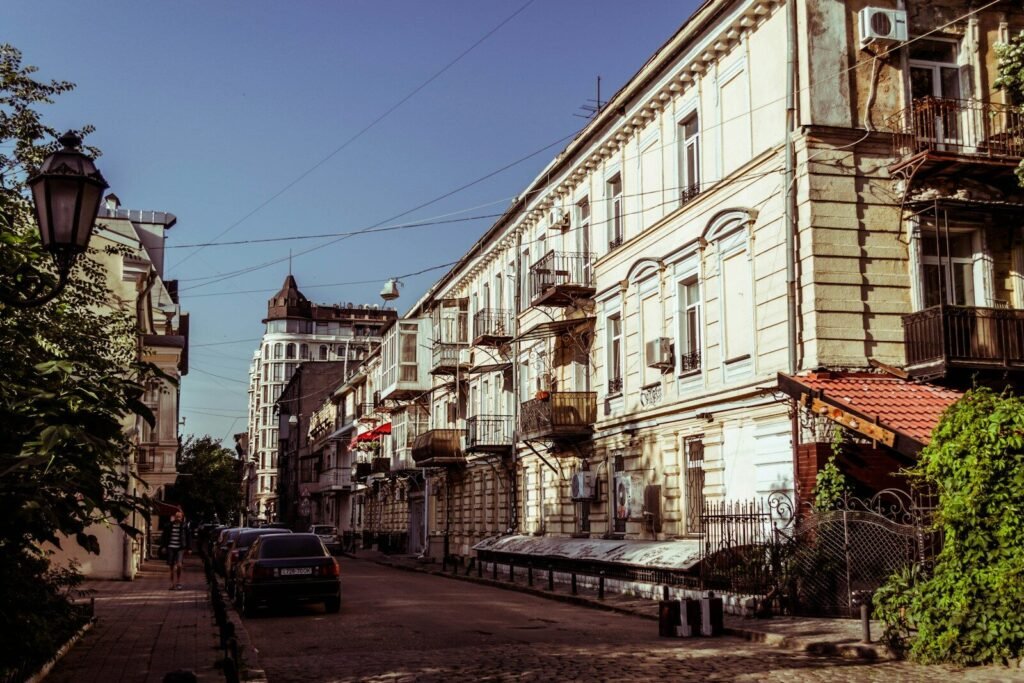
Number ten is Georgia. And no, I do not mean the American state. I mean the country of Georgia — tucked between the Caucasus Mountains, bordered by Russia, Turkey, Armenia, and Azerbaijan.
This country has quietly become one of the most underrated destinations on earth for people who want to stretch their money without sacrificing quality of life. The capital city, Tbilisi, is one of the most architecturally unique and culturally rich cities you have probably never seriously considered. And the cost of living is remarkably low.
A comfortable one-bedroom apartment in a good neighborhood of Tbilisi runs somewhere between two hundred and three hundred and fifty dollars per month. Local food is exceptional and incredibly affordable. The country also has a very welcoming policy toward foreign nationals — you can stay visa-free for up to a full year if you are from many Western nations.
The internet infrastructure has improved significantly, making it a functional base for remote workers. On six hundred dollars a month, you can rent a decent apartment, eat well, explore the mountains on weekends, and still have money left over. Georgia is number ten, and it earns its spot.
But wait until you see country number seven — that one genuinely shocked me when I ran the numbers.
Number nine is Bolivia. South America tends to get overlooked in these conversations in favor of more famous destinations like Colombia or Portugal, but Bolivia deserves serious attention. Sucre and Cochabamba in particular offer extraordinarily low costs of living.
A local meal in Bolivia can cost under a dollar. Monthly rent for a comfortable apartment in Cochabamba sits between one hundred fifty and two hundred fifty dollars. Public transportation is cheap. Utilities are low. And the country has a growing expat and digital nomad community that has been building steadily over the past few years. The altitude takes some adjustment depending on where you are, but the climate in places like Cochabamba is essentially permanent spring — locals call it the city of eternal spring, and that reputation is well earned. Six hundred dollars a month in Bolivia does not just cover your expenses — it gives you money to actually enjoy yourself.
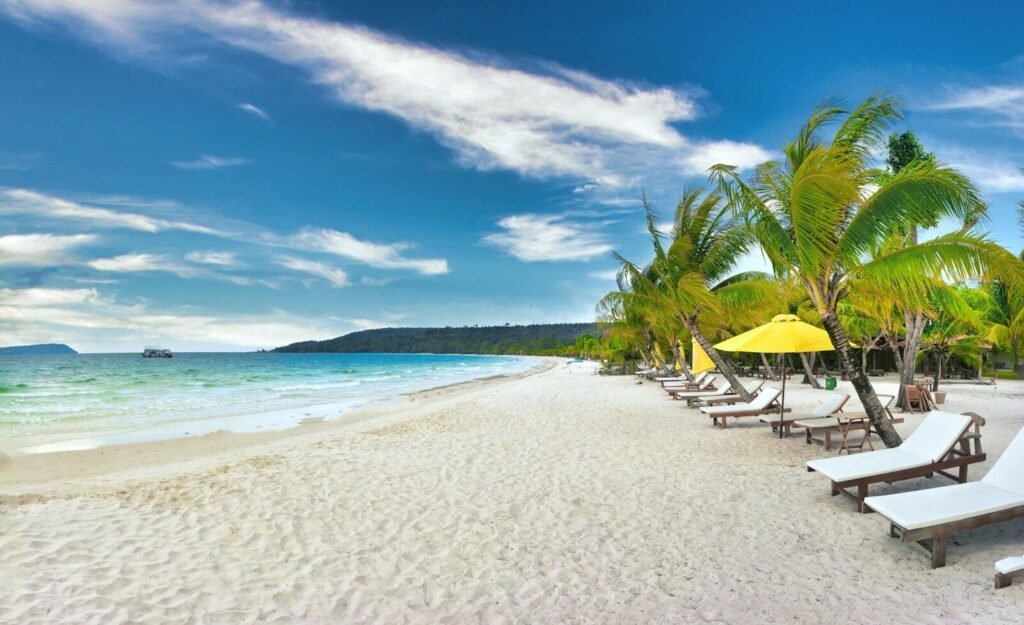
Number eight is Cambodia. Southeast Asia as a whole tends to be excellent value, but Cambodia stands out specifically because of how far your money goes in mid-sized cities outside the tourist trail. Phnom Penh, the capital, is where most longer-term residents end up, and you can live there on a surprisingly modest budget. A furnished apartment in a decent area costs roughly one hundred fifty to two hundred fifty dollars monthly.
Street food and local restaurants are plentiful and very cheap. Cambodia also has an increasingly straightforward visa situation for retirees and remote workers, including an e-visa option that has simplified the entry process considerably. The local culture is warm and welcoming, and there is a substantial international community already established there. On six hundred dollars per month, you can live comfortably and still have enough left to travel around the region on long weekends.
Number seven is Georgia — wait, we already covered that one. Let me not waste your time. Let us get to the one that actually shocked me.
Number seven is Pakistan. Now stay with me here, because I know some of you just had a reaction to that name, and I understand it. But hear me out. Pakistan in 2026, particularly in cities like Lahore and Islamabad, has become something that financial analysts and expat researchers are genuinely discussing as an emerging value destination.
The Pakistani rupee has depreciated significantly over recent years against the US dollar, which means that if you earn in dollars or euros or British pounds and you spend in Pakistani rupees, your purchasing power is extraordinary. A comfortable apartment in a good part of Lahore can cost under a hundred and fifty dollars per month. Domestic food is among the richest and most flavorful in the world.
The technology sector in Islamabad has been growing rapidly, and there is a genuine international community building there. The country has safety challenges in certain regions, and thorough research is essential — but in the major urban centers where most expats concentrate, daily life for a careful, well-informed resident is genuinely viable and affordable at a level that most people would not expect.
If you want the full list of countries actively hiring remote workers right now, I have put together a free step-by-step guide with everything broken down — the link is in the description below.
Number six is Indonesia. Specifically, we are talking about cities beyond Bali — which has gotten expensive due to the relentless wave of digital nomad attention it has received. Places like Yogyakarta and Malang in Java offer a completely different experience. In Yogyakarta, you can rent a clean, comfortable room or studio for under a hundred and fifty dollars monthly. The local food scene is extraordinary and incredibly cheap.
The Indonesian government has also been expanding its visa options for remote workers and retirees, making longer stays more accessible than they were just a few years ago. The culture is welcoming, the climate is tropical, and the pace of life in these mid-sized Javanese cities has a quality to it that is genuinely restorative for people coming from high-stress, high-cost environments. Six hundred dollars a month in Yogyakarta is not just survivable — it is genuinely enjoyable.
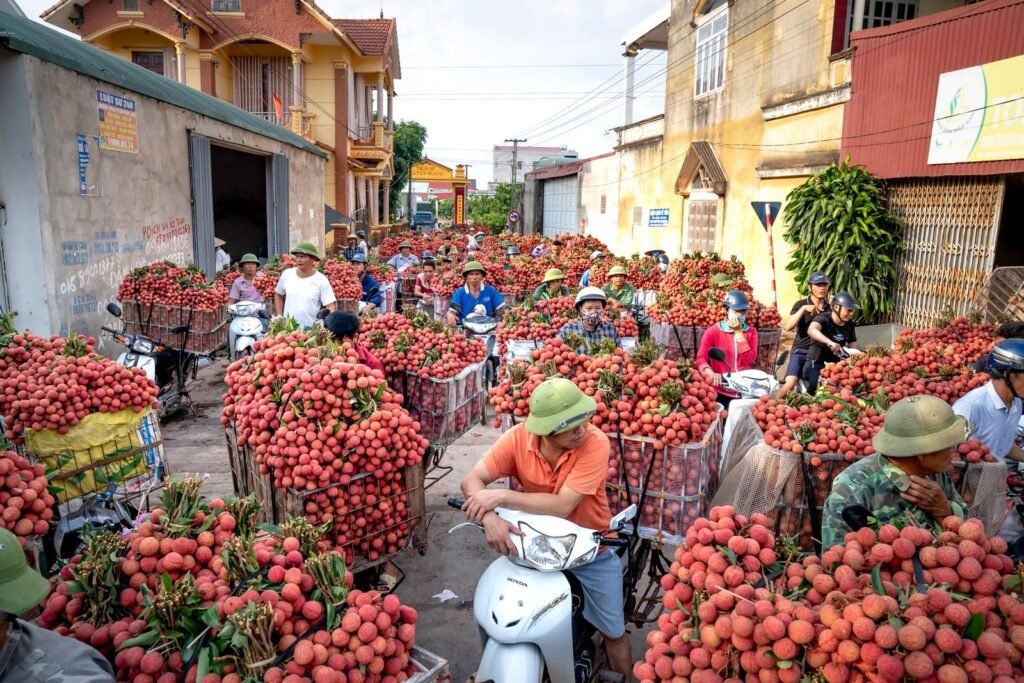
Number five is Vietnam. Vietnam has been on the radar of the digital nomad community for years, but it continues to deserve its reputation. Da Nang on the central coast has emerged as a particular hotspot, offering ocean views, a clean modern city infrastructure, and costs that remain significantly lower than what you would pay in Western countries. In Da Nang, rent for a comfortable one-bedroom apartment near the beach runs somewhere between two hundred and three hundred and fifty dollars per month.
The food — both local Vietnamese food and international options — is excellent and affordable. Internet speeds in Vietnam are genuinely fast, which matters for remote workers. The country has also been actively developing its visa infrastructure to accommodate longer-stay visitors. On six hundred dollars a month in Da Nang, you can have a beach apartment, eat extremely well, and still have money to explore the country on weekends.
But hold on — because country number three is the one most people have never even considered, and the opportunity there right now is time-sensitive.
Number four is Egypt. This is another one that surprises people when they actually look at the numbers. Cairo and Alexandria both offer extraordinarily low costs of living when you are earning in a stronger foreign currency. The Egyptian pound has weakened considerably in recent years, which creates the same dynamic we discussed with Pakistan — if your income comes from abroad in dollars or euros, your buying power in Egypt is remarkable right now.
A comfortable apartment in a good Cairo neighborhood can cost under two hundred dollars per month. The food scene in Egypt is rich and deeply affordable. The country has an incredible historical landscape that you essentially get to live inside. Egypt has also been making deliberate efforts to develop its tourism and residency infrastructure. Six hundred dollars per month in Cairo gives you a comfortable urban life with genuine cultural depth and a quality of daily experience that is hard to match at that price point.
Number three is Ethiopia. I told you this one would be surprising. Addis Ababa, the capital of Ethiopia, is one of the fastest-growing cities in Africa and simultaneously one of the most affordable. The Ethiopian birr offers extraordinary purchasing power for anyone earning in international currencies. A furnished apartment in a modern part of Addis Ababa can cost under a hundred and fifty dollars per month.

The food in Ethiopia — particularly the national cuisine built around injera and deeply spiced stews — is both exceptional and essentially free by Western standards. Ethiopia has a growing international business community, direct flights to major global hubs, and a climate in Addis Ababa that sits at high altitude and remains mild and pleasant year-round. The country faces infrastructure challenges in certain areas, and doing proper research before relocating is important — but for the prepared, research-oriented person willing to live deliberately, Addis Ababa in 2026 represents one of the most undervalued relocation opportunities on the planet.
When you are actually applying for visas to any of these countries, I genuinely recommend using a trusted service like iVisa — it saves significant time and helps you avoid the kinds of application mistakes that can derail your plans before they even start.
Number two is Nepal. Kathmandu and Pokhara in particular represent something special. Nepal is the kind of place where the natural beauty is almost overwhelming — the Himalayas are literally on the horizon — and the cost of living is among the lowest anywhere in Asia.
A basic but comfortable apartment in Kathmandu runs between seventy-five and a hundred and fifty dollars per month. Local food is cheap and surprisingly varied. Internet connectivity has improved substantially in both major cities. Nepal has a long history of welcoming international visitors and longer-term residents. The cultural richness of the country, between its Hindu and Buddhist traditions, is something that people who relocate there consistently describe as genuinely life-changing.
On six hundred dollars a month in Pokhara, you can rent a clean apartment with mountain views, eat three meals a day, afford a motorbike for transport, and still have money left over. Nepal is number two because it delivers something beyond just affordability — it delivers a quality of life that money in expensive countries simply cannot buy.
And now, number one.
Number one is Uzbekistan. Tashkent specifically. And I want you to sit with this for a moment because the opportunity here in 2026 is genuinely extraordinary and it is not going to last forever. Uzbekistan has been going through a significant economic liberalization over the last several years. The government has been actively working to attract foreign investment, remote workers, and international residents.
The result is a country where the cost of living is almost incomprehensibly low by Western standards — but with a rapidly improving infrastructure. A fully furnished apartment in a good part of Tashkent costs between eighty and one hundred and eighty dollars per month. The food is exceptional — a deep culinary tradition built around bread, grilled meats, rice dishes, and fresh produce.
The country is safe, clean in the central districts, and has a strong sense of cultural pride and community. Uzbekistan also has a growing tech sector that is attracting international attention. Six hundred dollars a month in Tashkent does not just cover your needs — it gives you savings. That is number one, and the window on this opportunity is open right now.
Here is what I want you to take from this video. The financial stress you are feeling is real. The burnout is real. The sense that you are working harder for less is not in your head — it is the mathematical reality of living in a high-cost country in 2026. But the solution does not have to be another side hustle or another sacrifice. Sometimes the solution is simply changing the coordinates. The world has places where the life you actually want is already affordable, already accessible, and already waiting for people willing to look.
If you are serious about moving abroad this year, check the links below — I have listed the best tools to help you get started immediately, from visa resources to step-by-step planning guides.
If you want more videos like this — breaking down real opportunities to live and work abroad — make sure you subscribe to Hiring Haven. We do this research so you do not have to start from scratch.
And let me know in the comments — which country would you actually consider moving to? Which one surprised you the most? Drop it below, because your next opportunity might be closer than you think.
10 Countries Where $600 a Month Still Gives You a Good Life