10 Countries Where Foreigners Can Still Find Homes Under $25,000
Foreigners Can Still Find Homes Under $25,000. What if I told you that right now, in 2026, you can still legally purchase a home in a foreign country for less than the cost of a used car in America? Not a shack. Not a condemned building in the middle of nowhere. A real, livable property. We ran the data. We cross-referenced property registries, expat community reports, foreign ownership laws, and cost-of-living indices across dozens of nations. And what we found was honestly surprising.
Welcome to Hiring Haven. We collect, analyze, and simplify global data so that you can make smarter decisions about where and how you live. Today we are breaking down ten countries where foreigners can still find real residential property for under twenty-five thousand dollars. We are going from number ten down to number one, and by the end of this video, you are going to see a picture of the world that most people never get shown.
Let us be clear about something before we dive in. This is not fantasy content. This is not some list of places you would never actually want to live. Every country on this list has a functioning expat community, real infrastructure, and documented property sales to foreign buyers. The data backs this up. So if you have been telling yourself that owning a home abroad is something only wealthy people do, this video is going to challenge that assumption directly.
Let us start with number ten.
Number ten is Georgia. Not the state in America. The country of Georgia, sitting at the crossroads of Eastern Europe and Western Asia. Georgia has become quietly one of the most attractive destinations for foreign property buyers over the last several years. The country allows foreigners to purchase property with the same rights as citizens, which is rare and valuable. In smaller cities and rural areas, residential properties have been documented selling for anywhere between twelve thousand and twenty-two thousand dollars.
The capital city of Tbilisi has become more expensive, but venture outside the capital and the math changes dramatically. Georgia also has a flat income tax rate, no minimum stay requirement for residency through certain pathways, and a rapidly growing digital nomad community. If you are looking for affordability combined with a surprisingly modern infrastructure, Georgia earns its place on this list.
Number nine is Albania.
Albania sits on the Adriatic coast in southeastern Europe, and for years it flew completely under the radar. That is starting to change, but the window is still open. In inland towns and smaller coastal villages, property prices for foreigners remain well below the twenty-five thousand dollar threshold. We are talking about apartments and small houses in communities with actual amenities, grocery stores, healthcare access, and social infrastructure.
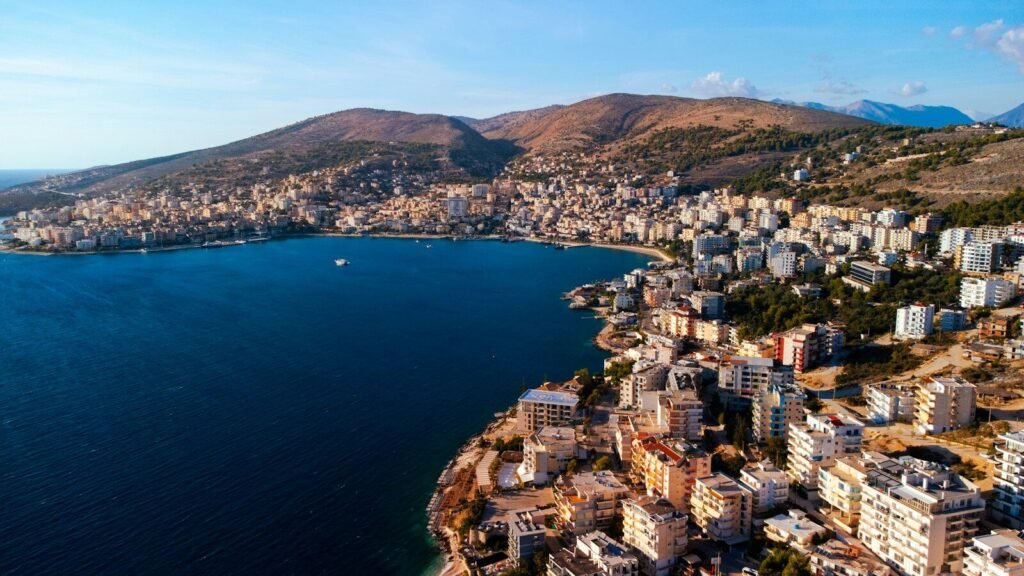
Albania is also a candidate for European Union membership, which means the country is actively modernizing its legal and economic systems. Foreigners can purchase property in Albania, though there are restrictions on agricultural land, so due diligence matters here. But for urban and residential properties, foreign buyers have been completing transactions successfully. The cost of living is also among the lowest in Europe. You can live well for under one thousand dollars per month, which changes the math on how far a small property investment can actually take you.
Number eight is Cambodia.
Cambodia is one of the most misunderstood countries when it comes to property ownership for foreigners. Technically, Cambodian law restricts foreign nationals from owning land outright. However, foreigners can legally own condominiums and units above the ground floor through freehold ownership laws passed in 2010. In smaller cities and developing areas outside of Phnom Penh and Siem Reap, condo units and structured property investments have come in well under the twenty-five thousand dollar mark.
The country also has a rapidly growing economy, a large expat population, a warm climate, and relatively straightforward business regulations. For someone willing to understand the local legal framework, Cambodia offers real opportunities. The key is working with a qualified local attorney and understanding exactly what you are purchasing. But the data shows that affordable entry points for foreign buyers still exist here.
Number seven is Bolivia.
Bolivia is one of the most overlooked countries in South America for foreign buyers, and that oversight is an opportunity. Bolivia is actually one of the most affordable countries in the entire Western Hemisphere. In cities like Cochabamba and Sucre, which sit at more moderate altitudes than the famous high-altitude capital, residential properties have been documented well within our twenty-five thousand dollar ceiling. Bolivia does allow foreigners to purchase property, and the process, while requiring local legal assistance, is navigable.
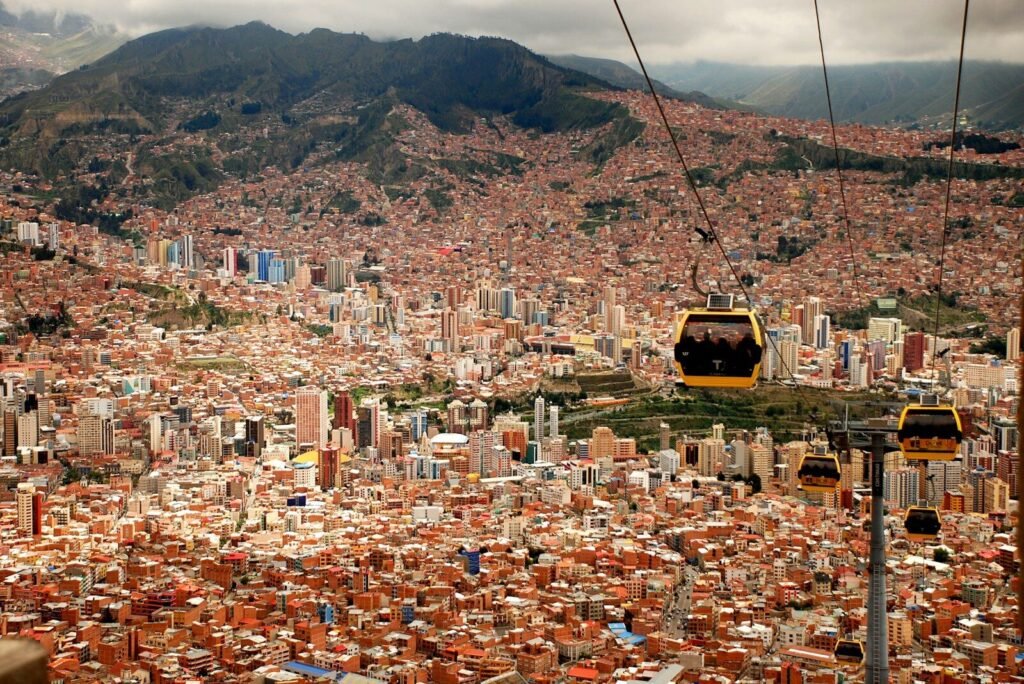
The climate in lower-altitude Bolivian cities is pleasant year-round. The cost of living is exceptionally low. And the country has a large enough expat and tourist infrastructure that you are not moving somewhere completely isolated. Bolivia tends to get overlooked because it lacks the name recognition of Brazil or Argentina, but from a pure numbers perspective, it consistently appears near the top of any serious analysis of affordable foreign property.
Now here is something worth pausing on for a moment. Most of the people watching this video are paying rent every single month, building absolutely zero equity, watching that money disappear. These countries we are talking about represent a different path. You put twenty-five thousand dollars or less into a piece of property, and suddenly you have an asset, a potential rental income source, a backup plan, or an actual home. The leverage that a small amount of capital provides in these markets is something that the traditional financial media rarely discusses. Keep that in mind as we continue.
Number six is Egypt.
Egypt surprises a lot of people on this list, but the data is consistent. In Egypt’s secondary cities and in areas outside of the premium coastal resort zones, foreigners with proper legal guidance have purchased residential properties for figures well under twenty-five thousand dollars. Egypt’s property market is segmented. The luxury coastal areas like the Red Sea developments command much higher prices.
But venture into established residential neighborhoods in cities like Luxor, Aswan, or even parts of Alexandria, and the numbers shift considerably. Egypt allows foreigners to purchase property, though there are regulations around the number of properties a foreigner can hold and specific registration requirements. The process requires a local attorney and patience. But Egypt also offers incredibly low living costs, a warm climate, a rich cultural environment, and increasingly modernized infrastructure in many urban areas. For the data-conscious buyer, Egypt belongs on the shortlist.
Number five is Pakistan.
This is likely the most unexpected entry on this list for many viewers, but we go where the data leads. Pakistan’s real estate market has segments, particularly in smaller cities and towns, where residential properties fall within or below the twenty-five thousand dollar range. The country has been actively working to attract overseas Pakistani nationals and foreign investors with streamlined property registration processes in recent years.
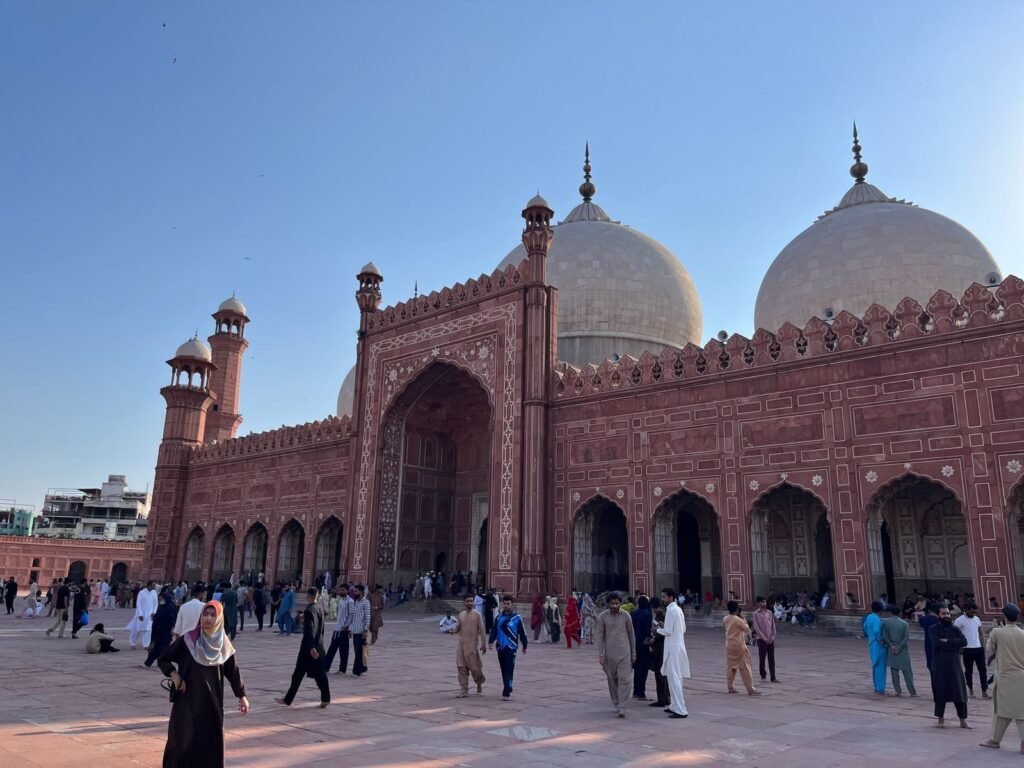
Pakistan offers a deeply affordable cost of living, a large and growing middle class, and significant cultural richness. The honest note here is that due diligence and local legal expertise are absolutely essential. The regulatory landscape is evolving, and not every city will be equally accessible or safe for a foreign buyer navigating the process independently. But for individuals with cultural familiarity, existing connections, or access to strong local advisors, Pakistan represents a market where real value exists at price points that are almost impossible to find elsewhere.
Number four is Morocco.
Morocco sits at the intersection of Africa, the Arab world, and European influence, and it has been attracting foreign property buyers for decades. The reason Morocco makes the top four is a combination of legal accessibility, infrastructure, and verified price points. In medina neighborhoods, rural areas, and smaller inland towns away from premium coastal zones like Marrakesh’s high-end districts, foreigners have legally purchased renovated and livable properties for under twenty-five thousand dollars.
Morocco has a clear legal framework for foreign property ownership. Foreigners can purchase with full ownership rights, and the country’s banking system even facilitates financing for foreign buyers in some cases. The country also has strong air connections to Europe, a growing tourism economy, and a real estate market that has been professionally tracked for years. Morocco is not a hidden secret, but affordable entry points still exist if you know where to look and move with some deliberate speed.
Here is the mid-video reality check. As more people discover these places and as global remote work continues to normalize, prices in accessible, affordable markets do not stay flat forever. We have already watched this happen in parts of Portugal, in Bali, and in certain neighborhoods across Latin America. The markets that are affordable today will not all be affordable in three to five years. That is just how property economics work. If any of these locations connect with where you are in life right now, the time to research seriously is now, not later.
Number three is Romania.
Romania often surprises Western audiences because it is a European Union member state with property prices that still look closer to Eastern Bloc economics than Western European ones. In rural villages, smaller towns, and regions outside of Bucharest, foreign buyers have been purchasing residential properties at price points that sit comfortably under twenty-five thousand dollars. As an EU member, Romania has a functional legal system, property rights protections, and clear registration processes.
It also has excellent internet infrastructure, a highly educated population, a relatively low crime rate by global standards, and a quality of life that has been improving steadily. The healthcare system, while not identical to Western European standards in all areas, is functional and affordable. For a foreign buyer who wants a foothold in Europe without the premium prices of France, Spain, or Italy, Romania is a data-backed option that deserves serious consideration.
Number two is Mexico.
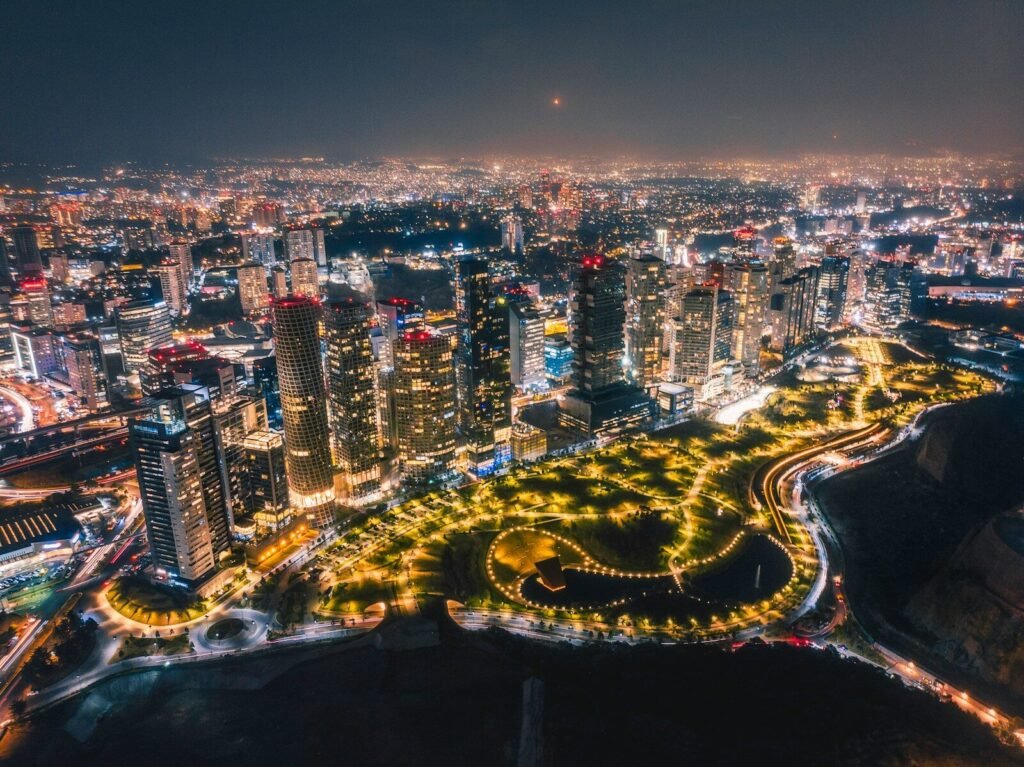
Mexico makes number two because the combination of proximity for North Americans, legal accessibility, and verified price points in specific regions is hard to argue with. Many people assume that because places like Cabo San Lucas, Puerto Vallarta, and Tulum have become expensive, all of Mexico is out of reach.
That assumption is wrong. In central Mexico’s smaller cities, in the colonial highlands, in agricultural towns with established communities, foreigners have documented property purchases well under our twenty-five thousand dollar mark. Mexico’s fideicomiso bank trust system allows foreigners to hold property in coastal restricted zones with full legal protection, and in unrestricted zones, direct ownership is available.
The infrastructure, healthcare access in major cities, large expat communities, and the fact that many Mexicans in tourist regions speak English all reduce the barrier to entry dramatically. Mexico is not one market. It is dozens of micro-markets, and the affordable ones are still very much real.
And the number one country on our list today is Nicaragua.
Nicaragua has emerged from multiple data analyses as the most consistently affordable country for foreign property ownership with realistic livability. Nicaragua allows foreigners to purchase property with the same rights as citizens. No trust structures, no complicated legal workarounds required. In cities like Granada, Leon, and in rural Pacific coast areas, foreigners have purchased homes, small farms, and residential properties for ten thousand to twenty thousand dollars.
The country has a warm tropical climate, a low cost of living that allows comfortable living for under eight hundred dollars per month for many expats, fresh produce markets, growing healthcare infrastructure in urban areas, and an established expat community that has been building quietly for years. Nicaragua sits at the top of this list because the combination of legal accessibility, verified price points, livability, and expat infrastructure creates the most complete picture for a foreign buyer working with limited capital. This is the data talking, not hype.
Now before you close this video, let us have a real conversation about where all of this leads. Owning property abroad for twenty-five thousand dollars or less is genuinely possible. We just showed you ten countries where it is happening right now. But here is the thing. Owning property is only part of the equation.
The people who are making this lifestyle work most successfully are pairing affordable international living with income that follows them wherever they go. That is the missing piece for most people. If you are thinking about any of these countries seriously, the question you need to answer is not just where you will live. It is how you will earn. And that is why I want to tell you about something we have been putting together.
It is a simple, step-by-step system for building an online income stream that generates two hundred to three hundred dollars per day, even if you are starting from zero with no technical background. You pair that kind of income with a property in Nicaragua or Romania or Morocco, and suddenly your entire financial picture looks completely different. The link to get started is in the description. I will walk you through exactly how to set it up alongside whatever you are doing right now.
The window on these markets is real. The data is real. The opportunity is real. But windows do not stay open indefinitely.
Subscribe to Hiring Haven if you want research-backed, practical strategies for living better, spending less, and building more freedom into your life. We do this work so you do not have to. We will see you in the next one.